The Ethics and University Deontology module aims to raise students’ awareness of moral values, codes of conduct, and professional principles governing academic life. It introduces fundamental concepts such as academic integrity, intellectual honesty, respect for others, responsibility, and transparency in teaching, research, and assessment activities.
This module also emphasizes the prevention of plagiarism, scientific misconduct, data falsification, and any behavior that violates university regulations. It helps students develop ethical attitudes throughout their academic journey and future professional careers, thereby contributing to the credibility of the university and the promotion of a culture of quality, rigor, and respect for academic standards.
- المعلم: Mhamed BENADA
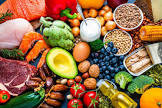
Food is much more than a mere biological necessity; it lies at the heart of human interactions, cultures, and economies. In a constantly evolving world, understanding the food system becomes crucial for addressing major issues such as food security, public health, and environmental sustainability. This module aims to explore the various dimensions of the food system, examining how the production, distribution, and consumption of food interact in a global context.
- المعلم: Sarra DALI
Biochemistry is the science that explores the chemical processes and molecular mechanisms that sustain life. It lies at the intersection of biology and chemistry, providing the foundation for understanding the structure, function, and interactions of biomolecules such as proteins, lipids, carbohydrates, and nucleic acids. Through the study of metabolic pathways, enzyme kinetics, and cellular regulation, biochemistry helps explain how living organisms convert energy, grow, adapt, and respond to their environment.
This module introduces students to the fundamental principles of biochemistry, emphasizing the molecular basis of life and the biochemical pathways essential for cellular function. It also provides the conceptual and analytical tools needed to explore more advanced topics in biology, biotechnology, medicine, and agricultural sciences.
- المعلم: Mustapha TEFFAHI
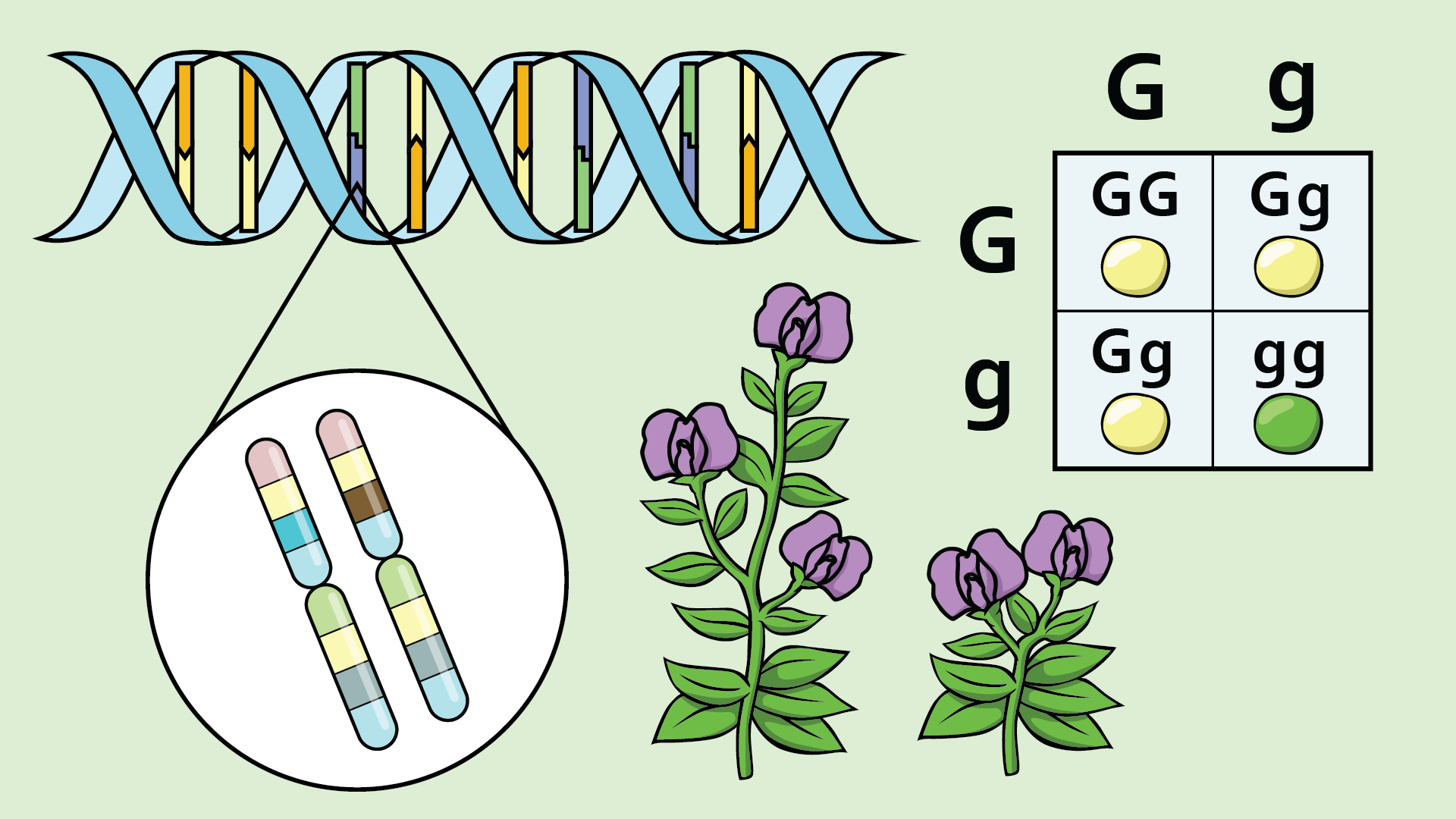
This ‘Genetics’ document, which is intended for 2nd year Food Science students, aims to provide knowledge in his field, starting with the evolution of the field and how DNA was discovered. Then know the generalities about the composition of genetic material by studying the structure and function of DNA and genes in this context students should be able to understand the structure of DNA, its central role in the transmission of genetic information, and how genes code for the proteins necessary for the functioning of cells and organisms. Know how the different stages of cell division work by understanding the replication procedure.
Understand the transmission of genetic traits in the different cases of monohybridism and dihybridism (One of the major aims of teaching genetics is to help students grasp the basic mechanisms of heredity, through the study of Mendel's laws and the genetic principles that govern the transmission of traits from one generation to the next). Understanding the mechanism of protein synthesis and familiarity with mutation and its various mechanisms, as well as chromosomal mutation. It also provides an insight into the world of bacterial and viral genetics and the procedure for transmitting genetic material. Knowledge of the field of population genetics.
- المعلم: Mhamed BENADA