Biochemistry is the science that explores the chemical processes and molecular mechanisms that sustain life. It lies at the intersection of biology and chemistry, providing the foundation for understanding the structure, function, and interactions of biomolecules such as proteins, lipids, carbohydrates, and nucleic acids. Through the study of metabolic pathways, enzyme kinetics, and cellular regulation, biochemistry helps explain how living organisms convert energy, grow, adapt, and respond to their environment.
This module introduces students to the fundamental principles of biochemistry, emphasizing the molecular basis of life and the biochemical pathways essential for cellular function. It also provides the conceptual and analytical tools needed to explore more advanced topics in biology, biotechnology, medicine, and agricultural sciences.
- Enseignant: Mustapha TEFFAHI
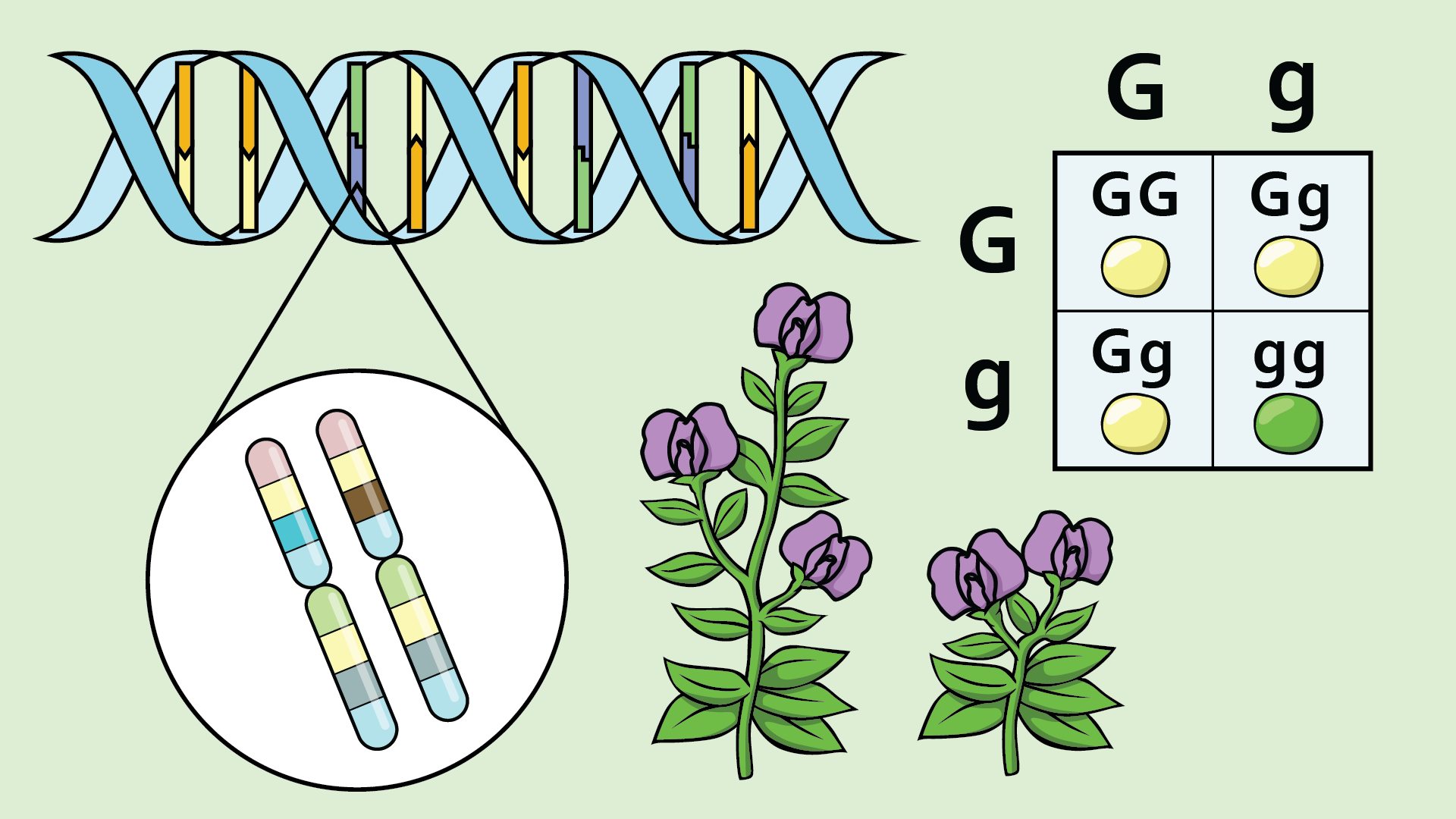
This ‘Genetics’ document, which is intended for 2nd year Food Science students, aims to provide knowledge in this field, starting with the evolution of the field and how DNA was discovered. Then know the generalities about the composition of genetic material by studying the structure and function of DNA and genes in this context students should be able to understand the structure of DNA, its central role in the transmission of genetic information, and how genes code for the proteins necessary for the functioning of cells and organisms. Know how the different stages of cell division work by understanding the replication procedure. Understand the transmission of genetic traits in the different cases of monohybridism and dihybridism (One of the major aims of teaching genetics is to help students grasp the basic mechanisms of heredity, through the study of Mendel's laws and the genetic principles that govern the transmission of traits from one generation to the next). Understanding the mechanism of protein synthesis and familiarity with mutation and its various mechanisms, as well as chromosomal mutation.
It also provides an insight into the world of bacterial and viral genetics and the procedure for transmitting genetic material. Knowledge of the field of population genetics.
- Enseignant: Mhamed BENADA
The Animal Physiology course explores the fundamental principles governing the functioning of animal bodies. It examines how different organ systems maintain homeostasis and respond to internal and external changes. The course emphasizes the integration of structure and function, from cellular mechanisms to whole-organism responses, with examples drawn from both vertebrate and invertebrate species.
- Enseignant: Zakaria MESKINI

The Zoology course introduces students to the study of the animal kingdom, covering the diversity, structure, function, evolution, and ecological roles of animals. It explores how animals are classified, how they interact with their environments, and how their physiological and behavioural adaptations enable survival in diverse habitats. The course combines theoretical foundations with practical applications relevant to agriculture, ecology, and environmental management.
- Enseignant: Zakaria MESKINI

This course is intended for second-year undergraduate students in Agricultural Sciences. The course presents the Charter of Ethics and University Deontology in Algeria, which emphasizes the highest moral standards and best academic practices. It serves as an essential guide to inform members of the university community (faculty, students, and administrative and technical staff) of their rights and responsibilities.
- Enseignant: Zakaria MESKINI