- المعلم: HADJ HABIB HOUARI

La recherche documentaire est une étape incontournable de toute démarche scientifique, car elle permet de situer un travail dans le contexte des connaissances existantes et d’en assurer la crédibilité. Le cours « Recherche Bibliographique et Mini Projet » initie les étudiants aux méthodes de repérage, de sélection et d’exploitation des sources fiables, tout en les sensibilisant aux normes de citation et à l’éthique académique. La mise en pratique à travers un mini projet offre l’occasion de transformer ces acquis en expérience concrète pour explorer une problématique, organiser les références et présenter un travail structuré. Ce double volet vise à développer l’autonomie, l’esprit critique et la rigueur scientifique. Ce cours constitue ainsi une étape essentielle dans la formation universitaire, préparant les étudiants à produire des travaux crédibles, méthodiques et porteurs de valeur académique.
- المعلم: EL HADJ ELANDALOUSSI
Biostatistics exercises involve applying statistical methods to health and biological data, covering topics like descriptive statistics (mean, median, mode, standard deviation), probability distributions, hypothesis testing (t-tests, chi-square), and regression analysis. Common tasks include calculating sample measures, interpreting data distributions, and analyzing experimental results, such as drug efficacy or disease risk.
- المعلم: Dr. Sid Ahmed AOUADJ
Statistics is the study of collecting, organizing, analyzing and interpreting data. In simple words statistics is the science of converting data into information. Statistical analysis of any data helps us to make informed decisions and how these decisions might affect us in the long run. Data are the key in statistics, so now the question arises what are data? Data are the raw information from which statistics are created. If we want to understand for example why people like ‘A’ shoe brand over ‘B’, we need data. Raw data is collected as a part of research, observations andsurveys. A data unit is one entity in the population being studied, about which data are collected.
- المعلم: Dr. Sid Ahmed AOUADJ
Population biology is an interdisciplinary field combining ecology, genetics, and evolution to study groups of organisms of the same species living in specific areas. It focuses on population dynamics, such as growth, density, distribution, and age structure, and how these change due to environmental factors, migration, and natural selection.
- المعلم: Dr. Sid Ahmed AOUADJ
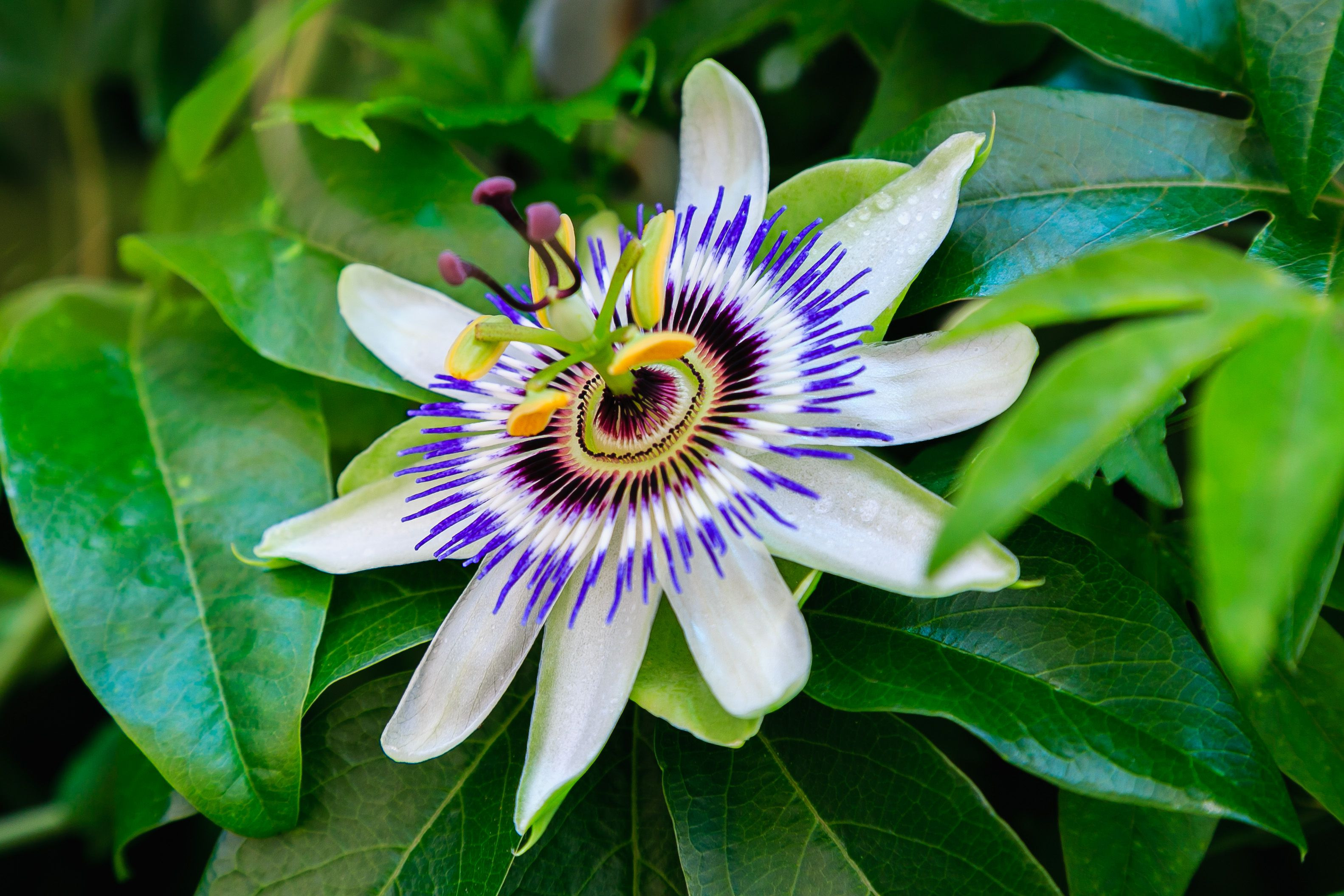
L’objectif est de fournir des bases théoriques et pratiques permettant l’acquisition de connaissances dans la taxinomie et systématique des spermaphytes.
- المعلم: Asma TAMERT
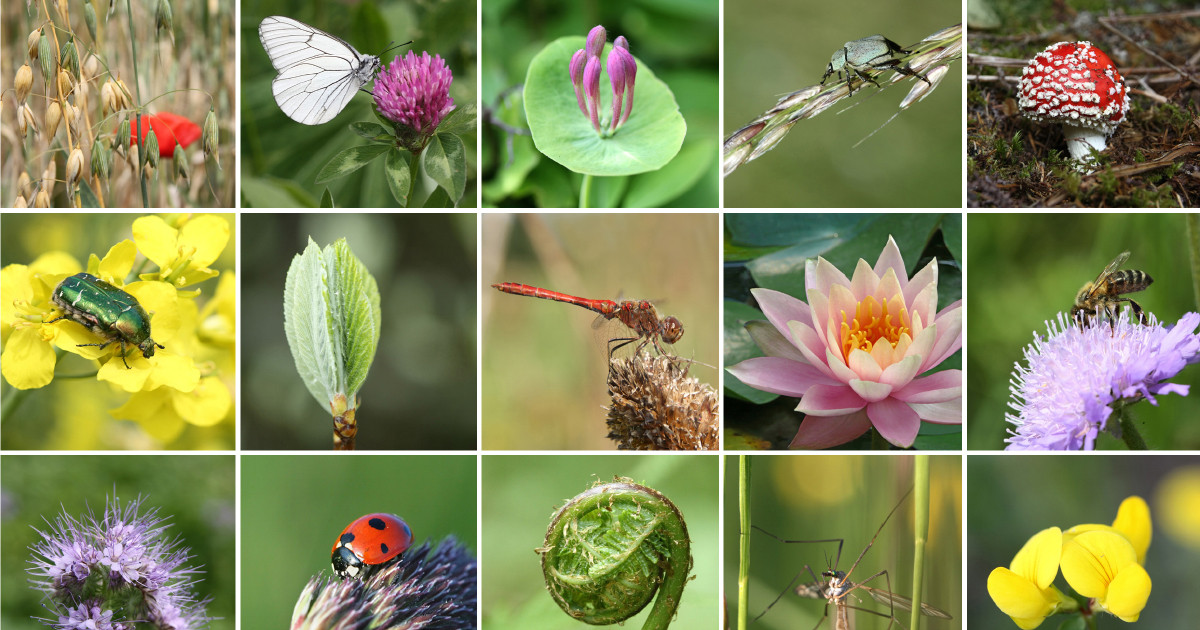
La matière ‘Biodiversité et Changements Globaux’ est incluse dans l’unité d’Enseignement Fondamental UEF ‘Ecologie des populations et des communautés’ du semestre 6 pour la spécialité ‘Ecologie et Environnement’.
Ce cours est une unité importante pour cerner les connaissances visées dans d’autre matières qui lui sont, aussi, complémentaire. Notamment, la matière ‘Biologie des populations et des organismes’ et la matière ‘Conservation et développement durable’.
- المعلم: Mohammed El Amine BENTAALLAH