Ce cours explore l'entreprise (définition, production, décisions), sa gestion (stratégie et évolution) et son organisation (théories et développements), complétés par une étude de cas pratique. L'Objectif est de maîtriser les bases pour créer et diriger une entreprise.
- Teacher: Meriem fethia MELIANI
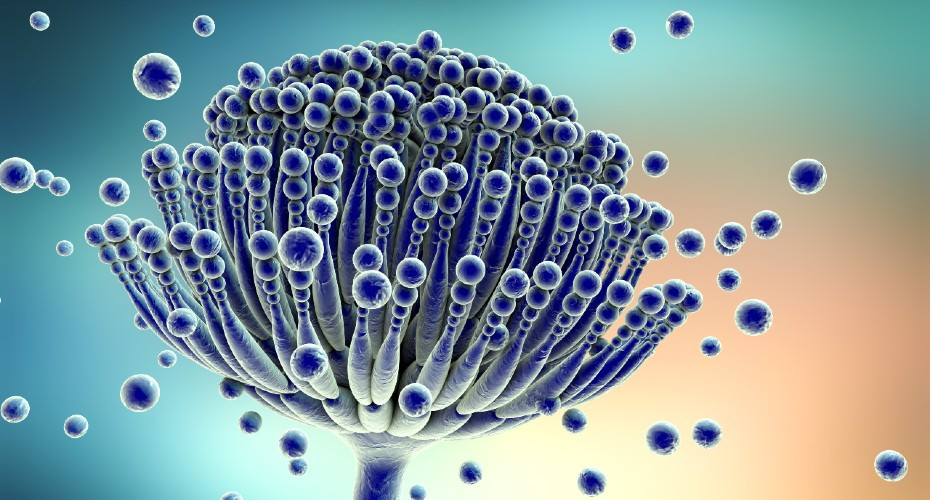
This module introduces the basic concepts of medical mycology and the taxonomy of fungi and yeasts. It deals first with toxigenic molds and major mycotoxins (such as aflatoxins and fumonisines) produced by Aspergillus, Fusarium, Mucor, Alternaria, and other genera, then describes pathogenic molds and yeasts causing dermatophytoses, cryptococcosis, candidiasis, and aspergillosis. Finally, it focuses on opportunistic molds in high‑risk patients.
By the end of the module, students are expected to recognize the main groups of medically and food‑safety‑relevant fungi and understand their health risks.
- Teacher: Meriem fethia MELIANI
Bacteriology is the scientific study of bacteria, their characteristics, and their impact on various fields such as healthcare, agriculture, and the environment.
This course provides an in-depth understanding of bacterial biology, diversity, taxonomy, pathogenesis, and laboratory techniques used to study bacteria.
- Teacher: Amina DERRADJIA
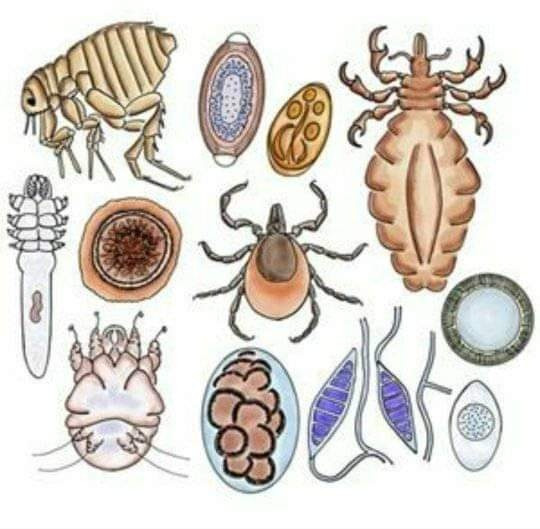
This course focuses on the knowledge of parasitic species that infest humans through the study of their morpho-anatomy, development, life cycle, and classification within the animal kingdom.
It primarily covers the fundamental concepts of parasitology, the study of parasites, their hosts, and their interactions.
- Teacher: Fawzia HANIS
The course focuses on essential components of scientific communication, including
writing abstracts, reports, and literature reviews, as well as presenting research orally
or visually. Learners will develop the ability to synthesize information from multiple
sources, analyze scientific texts critically, and convey complex ideas in a clear and
concise manner.
- Teacher: Leila KEBAL